
Seasonal Star Map Pack
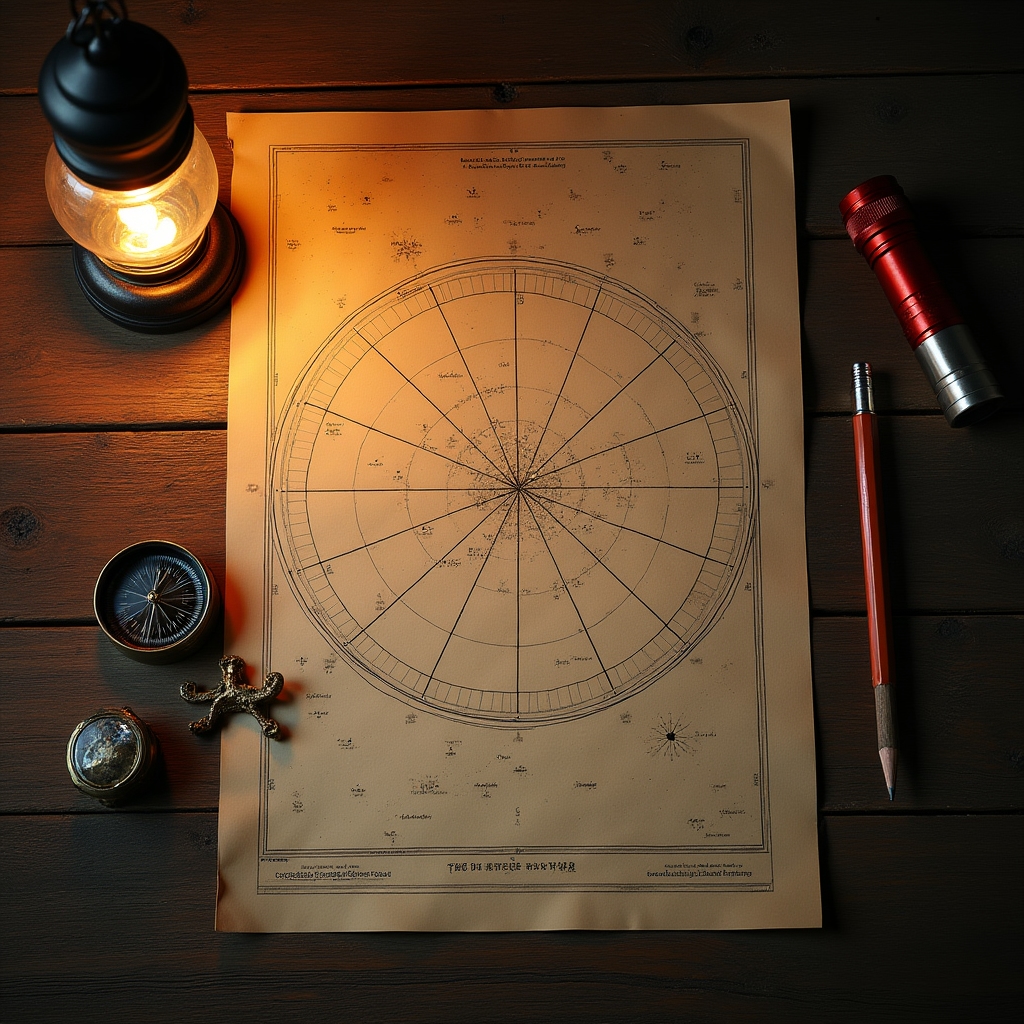
Four charts, one per season, oriented for mid-northern US latitudes and covering major constellations, bright stars used for navigation, and general notes on what changes month to month.
Resource library
These guides are written to be read once for orientation and returned to as reference material, rather than followed as a strict step-by-step course.
Four charts, one per season, oriented for mid-northern US latitudes and covering major constellations, bright stars used for navigation, and general notes on what changes month to month.
A pre-session list covering eyepieces, finder scope alignment, batteries, dew prevention and transport considerations for entry-level and mid-range telescopes.
A general yearly reference noting predictable meteor showers and eclipses, along with typical peak windows and notes on moon phase interference.
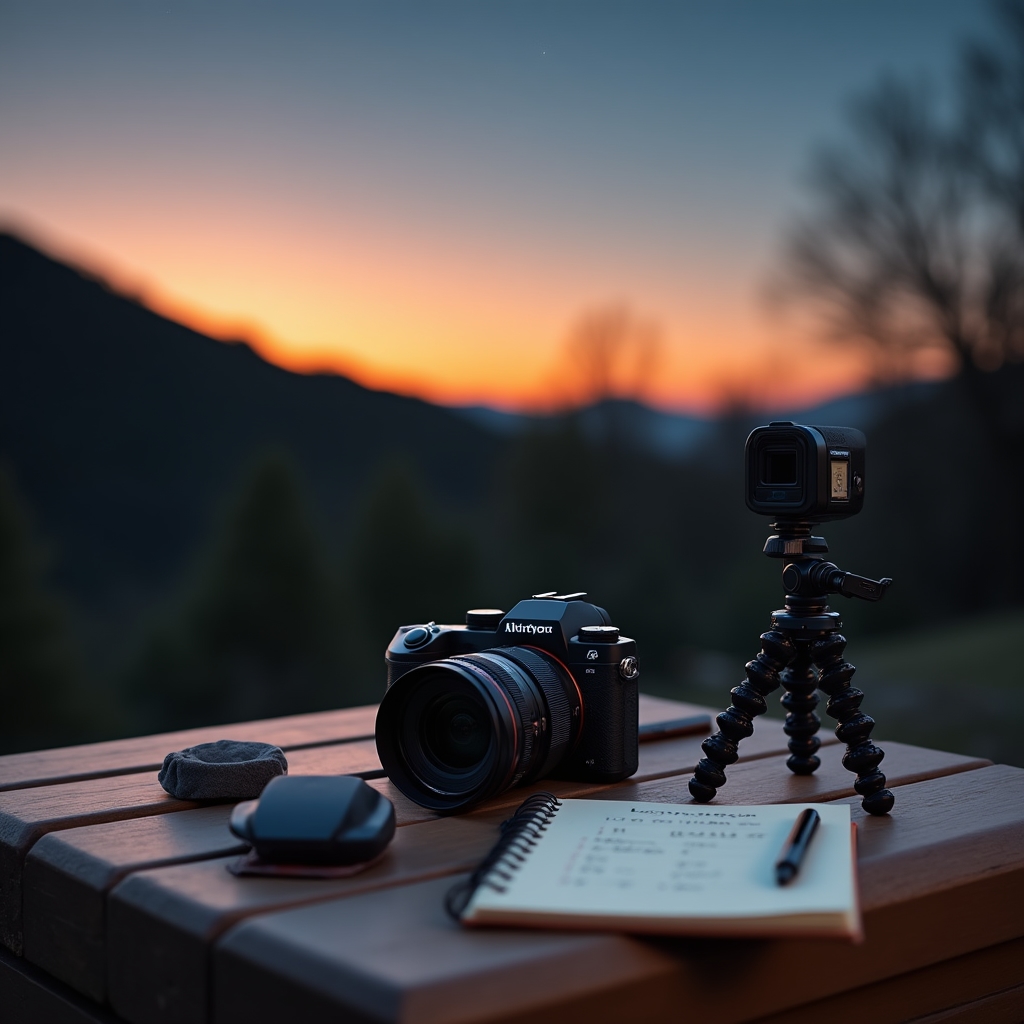
Starting exposure, ISO and focus settings for smartphone night mode, tripod-mounted smartphones and entry-level DSLR or mirrorless cameras.
An explanation of sky brightness scales and general notes on how urban, suburban and rural locations differ in what can realistically be observed.
A simple template for recording date, location, sky conditions, objects observed and personal notes, useful for tracking progress over a season.
Using the star map pack
A star map is only useful once it is correctly oriented to your location, date and time. Each map in the seasonal pack includes a short set of instructions for rotating the chart to match your horizon before attempting to identify anything overhead. Learners are encouraged to compare the map against the sky for a few minutes before searching for a specific constellation, since general orientation tends to make individual patterns easier to spot.
Using the astrophotography primer
The settings primer provides a reasonable starting point, not a fixed formula. Actual results depend on local light pollution, moon phase, lens or camera used and current atmospheric conditions. The guide recommends taking a first test exposure at the suggested settings, then adjusting shutter speed or ISO based on how that image looks before committing to a longer session.
Group sessions provide a structured setting to practice star map reading and telescope use alongside other learners.